
Employment and Social Development Canada
Employment and Social Development Canada (ESDC) works to improve the standard of living and quality of life for all Canadians. We do this by promoting a labour force that is highly skilled. We also promote an efficient and inclusive labour market.
Services and information
Privacy breach affecting current and former federal employees
If you have used BGRS or SIRVA Canada relocation services, your personal information may have been compromised. Learn about what precautionary measures are available to you.
Employment Insurance
Benefits, Canada EI Commission, Wage Earners Protection Program, and economic regions.
Benefits payment calendar
Payment dates for recurring Government of Canada benefit payments.
Find a job
Job opportunities, work permits, Social Insurance Number, criminal record checks and security clearances.
Public pensions
Canada Pension Plan, Old Age Security pension and related benefits, the Canadian retirement income calculator and retirement planning.
Family benefits
Maternity and parental leave, Employment Insurance, Canada Child Benefit, and survivor's pension.
Disability benefits
Pensions, child benefits, savings plans, education funding, and gas tax refund program.
Hire a temporary foreign worker with an LMIA
Hiring streams and positions, employer compliance and obligations.
Training
Explore careers by education program, apprenticeship, and training programs.
Housing benefits
GST/HST housing rebate, buying a home, and financial assistance to fix your home.
Funding programs
Grants and contributions that support jobs, training, and social development.
Workplace standards
Labour laws, workplace standards, health and safety standards and labour relations.
Education
Student financial assistance for college and university; apprenticeship, continuing education, co-op, and internships.
Corporate information
Our mandate, portfolio, partners, access to information and transparency.
Benefits by audience
Benefits for Indigenous Peoples, active Forces members, veterans, people with a disability, retirees, and victims.
Publications and reports
Evaluations, audits, annual reports, and other departmental and program reports.
Campaigns
Promotional campaigns and initiatives led by ESDC.
Community Outreach and Liaison Service
Expands services within communities to increase awareness of and access to Service Canada's programs and services.
About ESDC
Ministers
-
 The Honourable Randy Boissonnault
Minister of Employment, Workforce Development and Official Languages
-
 The Honourable Jenna Sudds
Minister of Families, Children and Social Development
-
 The Honourable Seamus O'Regan Jr.
Minister of Labour and Seniors
-
 The Honourable Kamal Khera
Minister of Diversity, Inclusion and Persons with Disabilities
-
 The Honourable Terry Beech
Minister of Citizens' Services
-
 The Honourable Marci Ien
Minister for Women and Gender Equality and Youth
Parliamentary Secretaries
-
 Irek Kusmierczyk
Parliamentary Secretary to the Minister of Employment, Workforce Development and Official Languages
-
 Élisabeth Brière
Parliamentary Secretary to the Minister of Families, Children and Social Development
-
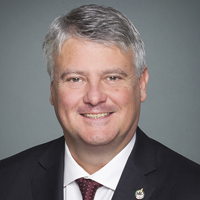 Terry Sheehan
Parliamentary Secretary to the Minister of Labour and Seniors
-
 Sameer Zuberi
Parliamentary Secretary to the Minister of Diversity, Inclusion and Persons with Disabilities
-
 Stéphane Lauzon
Parliamentary Secretary to the Minister of Citizens’ Services
-
 Lisa Hepfner
Parliamentary Secretary to the Minister for Women and Gender Equality and Youth
Focus on
Indigenous peoples
Programs and services for First Nations, Inuit and Métis
Veterans
Services for current and former military, RCMP and their families
Youth
Programs and services for teenagers and young adults
Black communities
Programs and services for Black communities and Black-led organizations
News
Features


Page details
- Date modified: